
By Richard Wood
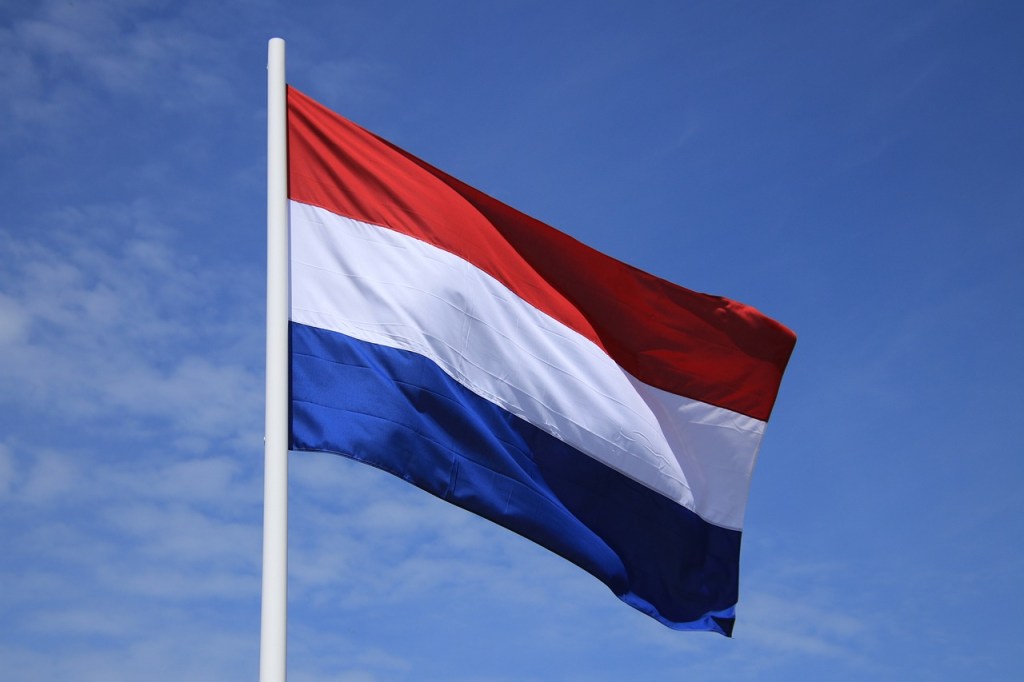
This week the Netherlands went to the polls to elect members of its House of Representatives. The far-right Party for Freedom (PVV) secured the highest vote share (23.6%) and subsequently the most seats (37 out of 150). This is a deeply worrying development for European politics but it’s worth remembering that over three-quarters of voters didn’t back the PVV. I understand that Wilders gets the first shot at forming a government, but other parties can lock him out of power.
The Dutch parliament is incredibly fragmented due to the specific voting system it uses. Rather than having multiple multi-member constituencies as is the case with most proportional electoral systems, elections in the Netherlands use a single constituency to elect representatives.
With 150 seats up for grabs, the effective threshold for a seat is 0.67% of the vote. This results in an incredibly fragmented party system – fifteen parties won seats in 2023’s election. Consequently, this also leads to political instability and prolonged coalition negotiations. Israel uses a similar system, albeit with a legal rather than effective threshold.
READ MORE: Scottish Labour MSP “sympathetic” to Scottish electoral reform
To be clear, there are no mainstream electoral reform advocates arguing for such a system to replace First Past the Post (FPTP) and the Additional Member System (AMS) in Westminster and Holyrood respectively (feel free to correct me if I’m wrong!). A proportional system must strike a balance between overall proportionality and local representation. The Netherlands’ system fails to do that.
It’s no wonder that the newly formed New Social Contract party, which surged from nowhere to win 20 seats, has a plan to adopt a more Scandinavian system of PR.
A Netherlands-style PR system would be a step in the wrong direction for the Scottish Parliament but let’s see what would have happened if Holyrood went Dutch. Of course, this comes with the usual caveat the voting systems are a factor in how people vote and how elections play out so this is purely hypothetical.
Here’s how the Scottish Parliament would look (based on regional vote share, the standard 129 seats, with changes from the 2021 election in brackets).
| Party | Seats |
| SNP | 54 (-10) |
| Conservatives | 31 (-) |
| Labour | 24 (+2) |
| Green | 11 (+3) |
| Lib Dems | 6 (+2) |
| Alba | 2 (+2) |
| All for Unity | 1 (+1) |
READ MORE: 7 reforms to improve the Scottish Parliament
The Scottish Parliament under the Dutch system would have a familiar feel but a few key distinctions. The SNP would lose out the most while Labour and the Greens would make marginal gains. The Lib Dems would be up two seats while Alex Salmond’s Alba would enter parliament with two seats and George Galloway’s All for Unity would narrowly get a seat.
Had I gone even further and used the 150 seats of the Dutch Parliament rather than the 129 at Holyrood, the same number of parties would have won seats (with slightly different total shares) and the Scottish Family Party would be within an inch of having won a seat. If Holyrood did adopt such a system, Holyrood would likely drift to a party system with more elected parties due to the low effective threshold.
As stated, the Dutch system’s main flaw is that it leads to extremely fragmented party politics and lengthy coalition negotiations. That said, the Scottish Parliament needs reform. But not this one. AMS is flawed by not being as proportional as it could be, has the two-vote problem and limits voter choice. An alternative such as the Single Transferable Vote (STV) or a Scandinavian-style PR system would be preferable.
READ MORE: German election 2021: a comparison with Scotland’s voting system
READ MORE: There’s a better way to elect France’s president. Here’s the answer
READ MORE: How proportional was Norway’s election? Lessons for Westminster
Image source: Pixabay
 Upgrade Holyrood