Kate Forbes is stepping down in 2026. A record number of MSPs aren’t standing again

By Richard Wood

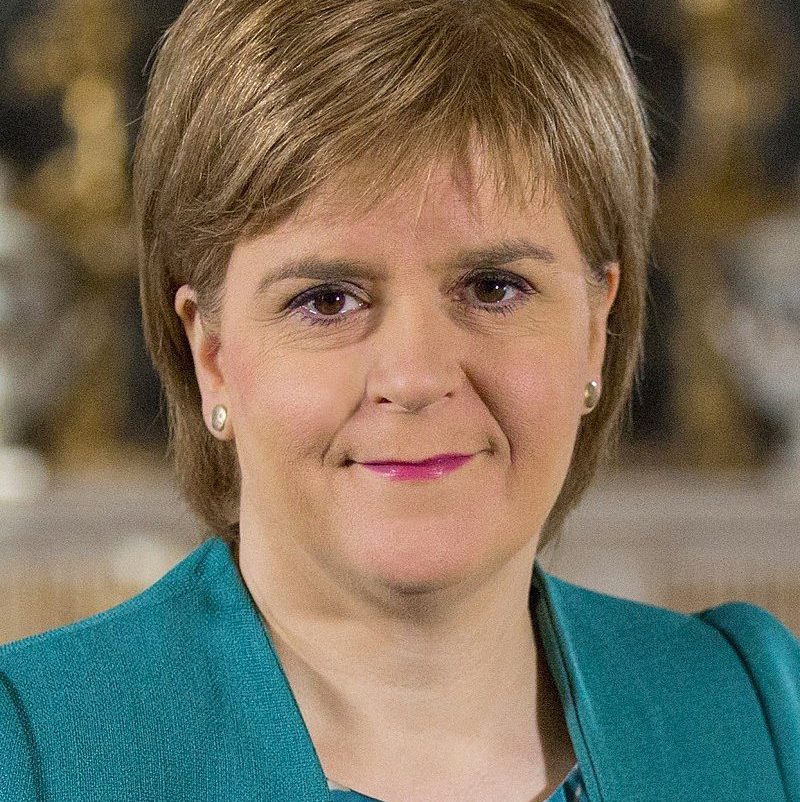
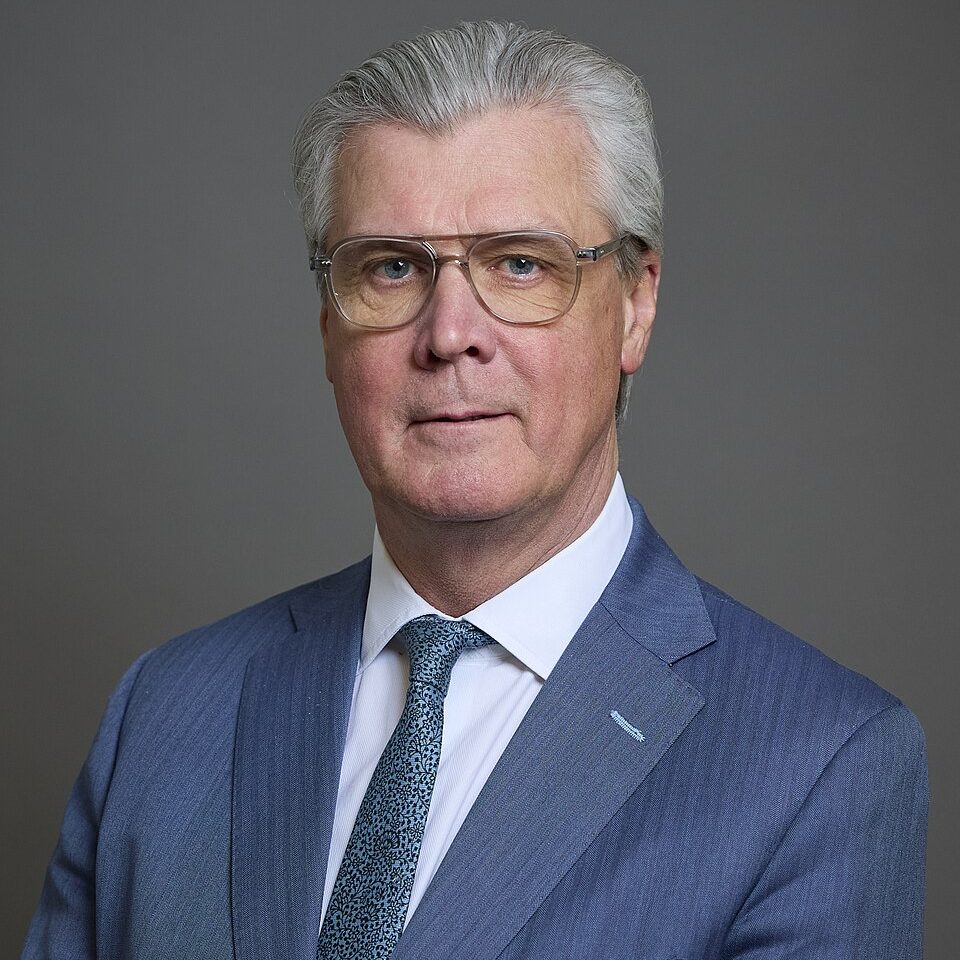
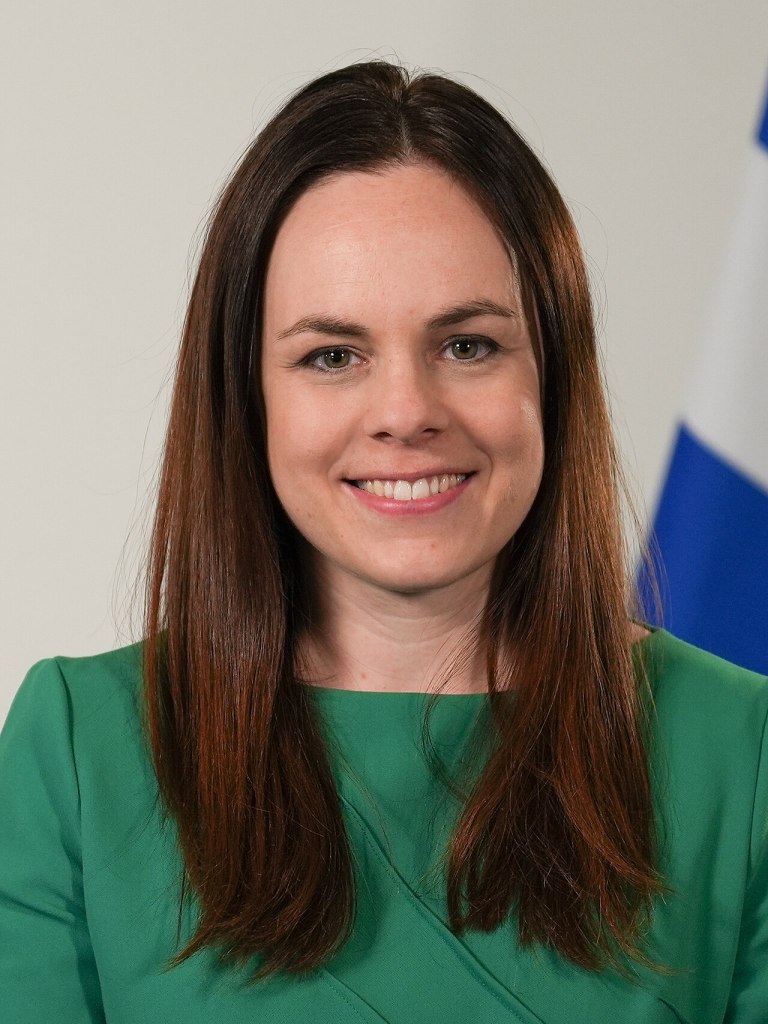
Deputy First Minister Kate Forbes is stepping down as an MSP at the next Scottish Parliamentary election.

Her upcoming departure marks a record number of MSPs standing down at any Holyrood election.

The announcement came as a shock to much of the Scottish political scene after she contested the 2023 SNP leadership election and secured Scotland’s second top job under First Minister John Swinney last year.

In a letter to the FM on 4 August 2025, the DFM said she does not wish to “miss any more of the precious early years of family life.

READ MORE: Minority mayors and unrepresentative local government: England can learn from Scottish councils

How many MSPs have stood down at each election?

So far, the total for 2026 is 35 MSPs (as of 8 July 2025). This beats the previous high of 34 in 2021, which included former Scottish Conservative leader Ruth Davidson.

And back in 2016, there were 25 MSPs who stood down (23 who retired and 2 who were deselected by their parties). Among the retirees at this election were former First Minister Alex Salmond, former Scottish Conservative leader Annabelle Goldie and the Presiding Officer Tricia Marwick.

A similar number stepped down at the election before. Among the 20 who retired in 2011 were former Deputy First Minister Nichol Stephen and former Scottish Green co-convenor.

Just 13 MSPs retired in 2007 including independent MSP Dennis Canavan and former Deputy First Minister Jim Wallace.

And in 2003, there were 10 MSPs who stepped down including our shortest-serving First Minister Henry McLeish and Westminster’s 1967 Hamilton by-election winner, the SNP’s Winnie Ewing.

Each year the number has gone up:

2026 – 35

2021 – 34

2016 – 25

2011 – 20

2007 – 13

2003 – 10

READ MORE: Dual mandates ban passed unanimously in Scottish Parliament

IMAGE: Via Scottish Government (lisence)

How many MSPs are retiring in 2026? Is it a record number?

By Richard Wood

UPDATE: There are now 35 MSPs stepping down in 2026 following the announcement by Deputy First Minister Kate Forbes.

The late June announcement of Presiding Officer Alison Johnstone’s retirement from Holyrood means that 34 MSPs are stepping down from the Scottish Parliament in 2026.

This figure matches the number of retiring MSPs in 2021. That was the record-high number, meaning that any further announcements will ensure that 2026 has the highest number of retiring MSPs in Holyrood history. Considering the last retirement announcements for 2021 were in March that year, it’s almost certain that 2026 will mark a new record.

That’s perhaps not surprising, with the number of long-standing MSPs from the so-called 1999 club calling it a day, including Nicola Sturgeon, Richard Lochead, Rhoda Grant, Fiona Hyslop and Christine Graeme all stepping down. But it also includes newer MSPs including Humza Yousaf, Mairi Gougeon and Beatrice Wishart.

Age plays a role for some of these MSPs in both categories. As does arguably scandal, with Michael Matheson set to retire as well. Then there’s the wholly valid reason of some MSPs saying they want to spend time raising their young families, away from the demanding nature of a parliamentary role.

READ MORE: Minority mayors and unrepresentative local government: England can learn from Scottish councils

How many MSPs have stood down at each election?

So far, the total for 2026 is 34 MSPs (as of 3 July 2025). This matches the previous high of 34 in 2021, which included former Scottish Conservative leader Ruth Davidson.

And back in 2016, there were 25 MSPs who stood down (23 who retired and 2 who were deselected by their parties). Among the retirees at this election were former First Minister Alex Salmond, former Scottish Conservative leader Annabelle Goldie and the Presiding Officer Tricia Marwick.

A similar number stepped down at the election before. Among the 20 who retired in 2011 were former Deputy First Minister Nichol Stephen and former Scottish Green co-convenor.

Just 13 MSPs retired in 2007 including independent MSP Dennis Canavan and former Deputy First Minister Jim Wallace.

And in 2003, there were 10 MSPs who stepped down including our shortest-serving First Minister Henry McLeish and Westminster’s 1967 Hamilton by-election winner, the SNP’s Winnie Ewing.

Each year the number has gone up.

  • 2026 – 34*
  • 2021 – 34
  • 2016 – 25
  • 2011 – 20
  • 2007 – 13
  • 2003 – 10
  • 1999 – N/A

*As of July 2025.

READ MORE: Dual mandates ban passed unanimously in Scottish Parliament

Which MSPs are stepping down in 2026?

As of late June 2026, the following 32 MSPs are stepping down:

SNP

Annabelle Ewing, Audrey Nicoll, Bill Kidd, Christine Grahame, Elena Witham, Evelyn Tweed, Fergus Ewing, Fiona Hyslop, Gordon MacDonald, Graeme Dey, Humza Yousaf, James Dornan, Joe FitzPatrick, Mairi Gougeon, Michael Matheson, Michelle Thomson, Natalie Don-Innes, Nicola Sturgeon, Richard Lochead, Rona Mackay, Ruth Maguire, Shona Robinson, Willie Coffey.

Conservatives

Douglas Ross, Edward Mountain, Liz Smith, Maurice Golden, Oliver Mundell.

Labour

Alex Rowley, Richard Leonard.

Liberal Democrats

Beatrice Wishart.

Greens

Alison Johnstone.

Independents

John Mason.

What about 2031?

We’re still along way from the election after 2026. Much will depend on the make-up of the new parliament – with big questions still to be answered like how well will Reform do next year? Will there be a coalition or a confidence and supply arrangement? And if John Swinney emerges as First Minister will he step down before 2031 (when he’ll be 67)?

But with so many of the 1999 club now having left Holyrood’s benches, there’s a decent chance that 2031 will be the first election where the number of retiring MSPs is lower than the previous one.

READ MORE: Scotland’s STV council elections show England a better way of doing local democracy

Scottish Elections (Representation and Reform) Bill set to return on 17 December 2024

By Richard Wood

The third stage of the Scottish Elections (Representation and Reform) Bill will be debated on Tuesday 17 December.

This potentially gives an opportunity for MSPs to ban dual mandates, disqualifing MSPs from holding seats in Westminster at while representating constituents at Holyrood.

READ MORE: MSP retables amendment to ban dual mandates by 2026

Graham Simpson MSP retabled his amendment to do this after the furore over Stephen Flynn MP planning on holding a dual mandate until 2029 if elected to Holyrood in 2026. So far, his amendments (one relating to the Commons and one the Lords) are the only ones that have been tabled, with the deadline on Tuesday 10 December for further amendments.

MSPs deserve to debate these proposals and should ultimately vote to ban dual mandates once and for all.

READ MORE: The MSPs who hold dual mandates following the 2021 election

Momentum is building against dual mandates – here’s what I’ve asked my MP to do

By Richard Wood

Westminster has an opportunity to ban dual mandates to prevent MPs and peers from also serving MSPs at the same time.

More immediately, the House of Commons’ Modernisation Committee is looking at improving working practices, standards and conditions, with a remit that includes second jobs. This gives a clear opportunity to improve our representative democracy and abolish dual mandates once and for all.

Below is a copy of the text I used to write to my MP on the matter. I am also submitting evidence to the Modernisation Committee.

Feel free to use my letter as the basis for your own contact.

Whether it’s Stephen Flynn in the SNP, Douglas Ross in the Conservatives, or any future Labour or Lib Dem MPs hoping for dual mandates, double jobbing is bad for effective representation of constituents.

READ MORE: Stephen Flynn MSP-MP in 2026? A dual mandates ban is overdue

Email to MP: abolish dual mandates once and for all

Dear [NAME] MP

I am writing to express my concern about dual mandates held by Members of Parliament and peers in the House of Lords.

Voters deserve full-time MPs to speak up for their constituencies in parliament. Not part-timers. That is why I believe MPs shouldn’t be able to hold additional full-time roles in the Scottish Parliament or the London Assembly, and be restricted from holding elected roles in local councils.

MPs cannot be members of the Senedd in Wales or Stormont in Northern Ireland in addition to their Westminster roles. Why not the same for the Scottish Parliament and the London Assembly?

Please write to the Modernisation Committee to represent my views and call on them to recommend that the law is changed so MPs are unable to hold additional elected roles, as part of their remit looking at second jobs for MPs.

Thank you for taking the time to read this. I look forward to you raising this matter.

READ MORE: 5 reasons to ban MSP-MP dual mandates

What does the Electoral Reform Society say about dual mandates in Scotland?

By Richard Wood

Dual mandates are back in the spotlight again with two sitting SNP MPs, Stephen Flynn and Stephen Gethins, preparing possible bids for joining the Scottish Parliament as MSPs.

Both Douglas Ross (Conservative) and Katy Clark (Labour) have held dual mandates in this parliamentary session at Holyrood.

Double jobbing is bad for representative democracy as the roles of MSP and MP are full-time jobs in and of themselves. Constituents ultimately deserve full-time representatives not part-timers.

Momentum is shifting on the issue with the Scottish Parliament’s Standards, Procedures and Appointments Committee discussing the matter only last week in relation to the Scottish Elections (Representation and Reform) Bill: Stage 2. The Modernisation Committee in Westminster also has scope for discussing the issue in its remit on outside employment.

READ MORE: Stephen Flynn MSP-MP in 2026? A dual mandates ban is overdue

What do the Electoral Reform Society say on the issue?

The Electoral Reform Society, formed in 1884, campaigns for democratic rights and a democracy fit for the 21st century.

The organisation submitted the below response to a request from the Scottish Parliament’s petitions committee in 2023.


Being a councillor and an MP or MSP seems reasonable over a
temporary transition period. However, we are concerned that given the limitations in the capacity of MSPs, ‘double jobbing’ adds an extra strain. Therefore we would like to see the legislation here brought into line with The Senedd where the rules are that when a member is elected and holds a dual mandate they either have eight days to resign as a sitting MP, or they have to take a leave of absence from a seat they hold in the Lords, or if a Regional Councillor they can remain in post provided the expected day of the next Regional Election is within 372 days.

Having a full-time paid job in the Lords, Commons or Holyrood should be mutually exclusive, and we would advise against MSPs being allowed to hold a dual mandate. There are no clear advantages to voters or to the
operation of democratic institutions and one big disadvantage – the
capacity of an individual to fulfil the responsibilities of both roles. Such
an allowance seems to be in the interests of politicians rather than those they represent.

The Electoral Reform Society is right to support abolishing dual mandates. It also recognises the need for a short grace period for MPs or MSPs to pick where they wish to represent their constituents before being removed from the parliament they reject.

READ MORE: 5 reasons to ban MSP-MP dual mandates

Image free via Pixabay

Stephen Flynn MSP-MP in 2026? A dual mandates ban is overdue

By Richard Wood

Westminster leader Stephen Flynn plans to stand to become an MSP at the 2026 Holyrood elections. Flynn intends to remain an MP, if he wins the Scottish Parliament seat of Aberdeenshire South and North Kincardine, implying he would hold a dual mandate by representing seats in both Holyrood and Westminster until 2029.

Dual mandates – no matter which party holds them, and Scotland’s four main party’s have held them at one time or another – are bad for representative democracy.

Being an MSP or and MP is a full-time job. Constituents deserve representatives working full-time for them, not juggling multiple mandates and travelling across the country all the time. No matter which party they come from, whether it is the Conservatives’ Douglas Ross, the SNP’s Stephen Flynn or any of the former Labour and Lib Dem dual mandates holders at Holyrood.

Westminster has rightly banned MPs from holding elected office in the Northern Irish Assembly. And there is an effective ban of MP-MSs for Wales with exceptions in the case of an impending Senedd election.

More widely, dual mandates are banned in many democracies across the world. Even France, long known for its representatives holding dual mandates – and even triple mandates – has clamped down on the practice in recent years.

Members of the European Parliament are also forbidden from holding roles in their national parliament alongside their MEP roles.

READ MORE: 5 reasons to ban MSP-MP dual mandates

Stephen Flynn MP has every right to stand for the Scottish Parliament. But it’s surprising he’s made the decision to do so while explicitly saying he’s remain an MP if he were to be elected.

Westminster’s Modernisation Committee has an opportunity here to recommend preventing MPs from holding seats in the Scottish Parliament concurrently.

In the meantime, Stephen Flynn MP should reconsider his intentions to hold his Westminster seat if elected to Holyrood.

READ MORE: Douglas Ross’ decision to stand again exposes dual mandates as wrong

READ MORE: Westminster’s Modernisation Committee should consider MSP-MP dual mandates ban

Image by Roger Harris (This file is licensed under the Creative Commons Attribution 3.0 Unported license)

3 tests Anas Sarwar’s Scottish metro mayor plans must meet

By Richard Wood

Leader of the Scottish Labour Party Anas Sarwar has called for Scottish metro mayors in a speech marking 25 years of devolution.

The remarks follow his party winning all but one metro mayoral seats up for election south of the border this May, the most notable of which was Richard Parker’s win against incumbent Conservative Mayor Andy Street.

The main appeal of metro mayors is their ability to champion the areas they represent on scale not quite seen by constituency MPs. There’s little denying that Andy Burnham is able to grab media and government attention in a unique way suited to our current news and political landscape. Not to mention that to many voters elected mayors are seen as more accountable than a largely unnoticed council cabinet committee.

Furthermore, a metro mayor equivalent for Dundee for example could give different parts of Scotland the political attention they deserve, shifting focus away from the central belt.

READ MORE: Scottish Tory Murdo Fraser supports electoral reform at Holyrood

However, metro mayors are far from a panacea. Despite the profile brought by the likes of Andy Burnham and Sadiq Khan, the elections that put them in power are characterised by low turnout.

On top of that, elected mayors mark a shift away from deriving local government executives from elected councils. Concentrating such powers in one individuals would be a major jump from the culture of consensus set out with the set-up of the Scottish Parliament and shift to STV for local authorities, pushing Scotland in a more majoritarian direction.

Additionally, Scottish local government has far bigger problems such as funding and structural issues that imposing elected mayors or provosts won’t fix.

Any discussion about moving to a metro mayor system must be open, honest and frank. Crucially, three tests must be met if Scotland were to go down the path of introducing metro mayors.

READ MORE: Scottish Labour MSP “sympathetic” to Scottish electoral reform

1. Checks and balances

    Elected mayors put a significant amount of power in the hands of one individual. Yes, they have a team that do much of the day to day work but ultimately directly elected executive mayors arguably give mayors too much power. A simple truth about democracy is that despite best intentions, one individual cannot fairly represent the views of all their constituents. Any elected mayors would need to be accountable to voters at elections and to elected councils – proportionately elected and with real powers of scrutiny – throughout their term.

    2. Preferential voting

    The UK government’s Election Act changed the voting system for directly elected executive mayors from the Supplementary Vote to First Past the Post. The Supplementary Vote was far from perfect but it at least gave a broader mandate to elected mayors as opposed to FPTP. If Scotland follows England, we should learn from the mistakes of the Elections Act and use the Alternative Vote to elect mayors. A preferential voting system would empower voters and give mayors the broad mandates they need to lead.

    3. Referendum

    Lastly, directly elected executive mayors should not be imposed on a populace without consent, whether that be by any new Scottish Government or local authorities themselves. Any proposals should be subject to a significant consultation process and conclude with a referendum to determine whether they are the right decision for each community. Likewise, communities should be able to vote to revert to a cabinet system for local government if they choose.

    READ MORE: Scottish election manifestos: democratic reform pledges compared

    The adoption of directly elected executive Scottish mayors is an intriguing prospect but it would have significant downsides, notably the concentration of executive power in one pair of hands and a major shift away from the consensus-building democracy that has characterised Scotland in the age of devolution.

    There are of course potential benefits as seen in England but any concrete proposals for reform should be carefully examined and criticised where appropriate.

    If Scottish Labour, or any other party, do ever introduce elected mayors then their implementation must pass the three tests outlined above. However, lawmakers should in the first instance focus on more pressing issues facing local authorities as opposed to looking south for flashy reforms that aren’t necessarily what they seem. Anas Sarwar should consider all this if introducing metro mayors is ever something he gets the powers to do.

    IMAGE SOURCE: This work contains Scottish Parliamentary information licensed under the Open Scottish Parliament Licence.

    Wales has just changed its voting system. Scotland must follow

    By Richard Wood

    The Welsh Parliament has just approved the Senedd Cymru (Members and Elections) Bill which will reform the voting system used to elect MSs.

    The change, which comes into force for the 2026 elections replaces the Additional Member System with a Closed List Proportional Representation system. Under the reforms, the Senedd will increase from 60 to 96 members, made up of 16 multi-member constituencies of six MSs each.

    READ MORE: 7 reforms to improve the Scottish Parliament

    While the Senedd uses a voting system aimed to deliver proportionality, the ratio of constituency MSs to list MSs negates much of this intent. At the 2021 election, Mark Drakeford’s Welsh Labour Party secured 30 out of 60 seats on 36.2% of the list vote (39.9% for the constituency), showing the mismatch between seats and votes.

    The change to a party list system aims to address some of this, however, the proposed new system has its own flaws. In particular, the closed list element limits the say voters have over individual candidates. However, the change opens up a simple route to easily switch this change to an Open List PR system or the Single Transferable Votes if the Senedd sees fit.

    The change in Wales highlights the need for reform at the Scottish Parliament as well. Scotland suffers a similar problem with its own Additional Member System although not to the same extent as Wales due to the slightly better ratio between constituency and list MSPs.

    This year marks 25 years of devolution. And while Scotland’s voting set-up is more representative than Westminster’s chaotic First Past the Post system, the Scottish Parliament must follow Wales and commit to electoral reform.

    READ MORE: Scotland must follow Wales on four-year terms

    End the FM merry-go-round: automatic early elections could improve Scottish Government accountability

    By Richard Wood

    When Humza Yousaf was elected as SNP leader by party members then first minister by MSPs early last year, the prospect of another change in first minister before the next election was seen as only a fringe possibility. Not anymore. The first minister’s unilateral decision to tear up the Bute House Agreement with the Scottish Greens could very well lead to his political downfall.

    The Greens are furious. Alba are opportunistic. The SNP are divided.

    Instead of adding more speculation to the state of play above, I want to address the mechanics of Holyrood’s democracy and how we can improve the status quo.

    A change in government leader during a parliamentary term isn’t uncommon. And in theory it shouldn’t significantly alter the trajectory of a government if parties base their government policy on their most recent manifesto. But as much as we may want to keep the personality out of politics, the real world renders this impossible. We do not have a presidential system but voters do often cast their ballots with party leaders in mind, especially in the age of televised debates, the 24-hour news cycle and social media. Furthermore, when the leader of a government is replaced, in practice this can lead to significant policy changes, deviating from manifesto promises, without any citizen input. The most extreme example of this in modern times is the rise and fall of disgraced former Prime Minister Liz Truss. The Truss government set out to chart a very different course to the one her party was elected to deliver.

    READ MORE: 3 alternatives to Scotland’s proportional but flawed voting system

    We live in a representative democracy where citizens elect a legislature which determines the government. Thankfully, MSPs do elect the first minister in parliament, unlike the chaotic conventions at Westminster. But when government leaders change, and crucially change policy direction from that set during the post-election government formation period (without any direct citizen input) we have to consider how accountable to voters this really is.

    A province across the Atlantic offers a democratic mechanism that could be replicated at Holyrood, and indeed Westminster. The Canadian province of Newfoundland and Labrador has a landmass larger than the UK but a population smaller than Glasgow’s. Its House of Assembly has 40 members usually elected once every four years. However, when a premier is replaced between elections, an election is automatically triggered to take place within a year of the change. This happened most recently in 2021 after Liberal Andrew Fury took over from outgoing premier Dwight Ball.

    Now there are drawbacks to this solution. Voter apathy resulting from multiple elections in a short space of time would be a possibility, not to mention costs of mandated additional elections. But a safeguard such as this would ensure that a change in government leadership has some input from the voters.

    Of course, a third first minister in one parliamentary term has happened before. The death of Donald Dewar then the downfall of Henry MacLeish led to Jack McConnell becoming Scotland’s third first minister only a couple of years into devolution. The solution being proposed arguably would have added a layer of unnecessary chaos to the situation but it may have been less necessary back then. The Scottish Parliament had limited powers in those days and was still in its experimental phase. But now things are different. Devolution is a necessary part of our democracy, one to be protected and improved when necessary. Not to mention, the Scottish Parliament and Scottish Government both have real teeth and should be held accountable by voters when there are major leadership changes.

    And while we’re on the subject of accountability, Holyrood’s five-year terms are too long. Scotland switched away from four-year terms to avoid clashes with Westminster votes under the Fixed-term Parliaments Act. With the act now repealed, Holyrood should follow Wales and return to four-year terms.

    READ MORE: Scotland must follow Wales on four-year terms

    The events taking place this week may very well lead to an extraordinary general election later this year. That would be an extraordinary development but if we do end up with our third first minister in just over a year then an election would give much needed input from citizens.

    What happens in Newfoundland and Labrador would need tweaking for a Scottish context. It’s not perfect and I’m not wholly committed to it as a solution, but it recognises the need to strike a balance between accountability and stability. With Holyrood currently tilted away from stability, an election trigger in the event of a changed first minister might just be a long-term solution.

    Image source: Scottish Government (CC by 2.0)

    How popular is the monarchy in Scotland?

    Source: Pixabay

    By Richard Wood

    Following the Queen’s passing and the King’s ascension, discussions about the future of the monarchy are taking place across the Commonwealth realms.

    There are currently 15 countries where King Charles III has become head of state by virtue of his birth. It’s almost certain several of these countries will become republics in the coming years and decades. The question is when. Australia’s relatively new government has a Minister for the Republic (although any moves away from the monarchy are unlikely to take place in this current parliament) while polling in Jamaica suggests strong support for a republic.

    In the UK, the Queen was undeniably a popular figure. What remains to be seen is how much support for the monarchy in the UK is dependent on support for the Queen as an individual and her role as figurehead, rather than the institution of the Crown itself. That will become apparent in the coming years.

    READ MORE: What do each of Scotland’s political parties say on the monarchy and republicanism?

    How popular is the monarchy in Scotland?

    Polling can give an indication of the level of support for the monarchy and a possible republic.

    The most recent major poll on the issue, by think-tank British Future, suggests that 58% of Brits think the UK should keep the monarchy for the foreseeable future. In contrast, 25% of those polled said they think the UK should become a republic after the Queen’s passing. Note that the poll was conducted in May 2022, four month’s before the monarch’s passing.

    A further 6% said neither while 11% said they don’t know.

    As for Scotland, support for a republic is stronger than across the UK overall. Less than half of Scots polled (just 45%) said they support the monarch remaining head of state. While over a third (36% support) favour becoming a republic after the Queen’s passing.

    Scottish support for the monarchy is significantly weaker than across the rest of the country.

    The UK is unlikely to abolish the monarchy any time soon, but there is no place for an hereditary head of state in the 21st century. The Queen was undeniably a giant and a well-respected figure on the world-stage. And while the UK becoming a republic isn’t the most important democratic upgrade we need, we should certainly strive for it.

    READ MORE: New Zealand and Scotland – proportional but imperfect voting systems