Scotland’s new MSPs shouldn’t have to pledge allegiance to the King

By Richard Wood

One of the first acts undertaken by newly elected MSPs after the election of Thursday 7 May is pledging allegiance to the monarch.

That this is still happening in 2026 is utterly absurd.

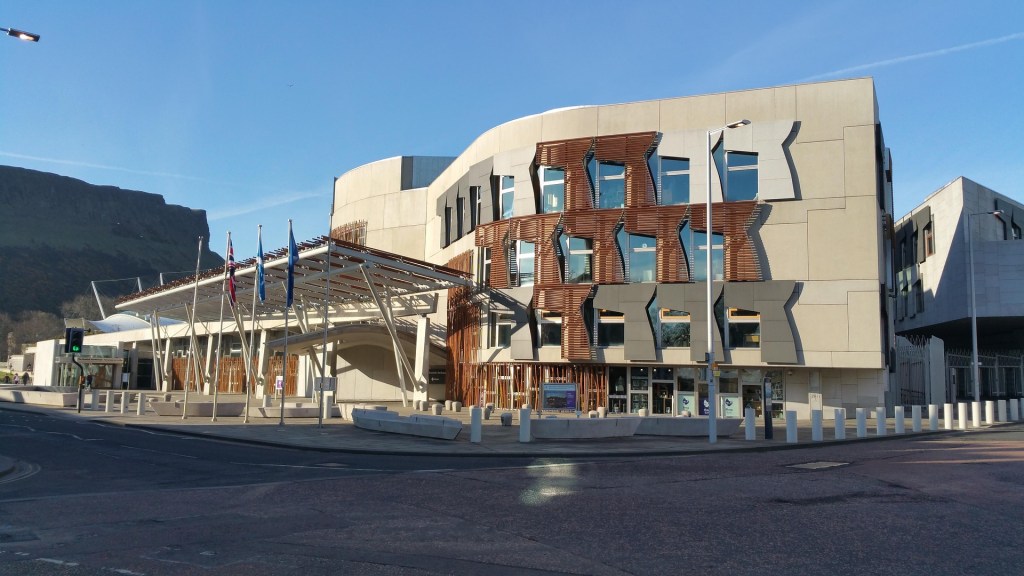
MSPs are elected by the people of Scotland to represent the people of Scotland. Having them pledge allegiance to an unelected monarch in modern Scotrish Parliament is something that needs to go.

What’s more, any MSP who declines is barred from participating in any proceedings and will not receive a salary or allowances until they comply. If they fail to do so within two months of being elected, they lose their MSP status.

READ MORE: New Scottish poll shows why it’s time to ditch Holyrood’s voting system

Last year one MSP tabled a motion calling for an end to the backwards practice, stating:

“That the Parliament commends Grenada’s reported decision to drop the oath of allegiance to the British crown and replace it with a pledge of allegiance to Grenada; recognises that the people of Scotland are sovereign, and believes that Scotland’s Parliament should have the power to follow Grenada’s lead and have its members pledge allegiance to the people of Scotland and not an unelected monarch.”

Scotland’s new MSPs should recognise that the monarchy has no place in modern Scotland. This pledge of allegiance needs abolished.

READ MORE: Dual mandates ban passed unanimously in Scottish Parliament
How popular is the monarchy in Scotland?

Source: Pixabay

By Richard Wood

Following the Queen’s passing and the King’s ascension, discussions about the future of the monarchy are taking place across the Commonwealth realms.

There are currently 15 countries where King Charles III has become head of state by virtue of his birth. It’s almost certain several of these countries will become republics in the coming years and decades. The question is when. Australia’s relatively new government has a Minister for the Republic (although any moves away from the monarchy are unlikely to take place in this current parliament) while polling in Jamaica suggests strong support for a republic.

In the UK, the Queen was undeniably a popular figure. What remains to be seen is how much support for the monarchy in the UK is dependent on support for the Queen as an individual and her role as figurehead, rather than the institution of the Crown itself. That will become apparent in the coming years.

READ MORE: What do each of Scotland’s political parties say on the monarchy and republicanism?

How popular is the monarchy in Scotland?

Polling can give an indication of the level of support for the monarchy and a possible republic.

The most recent major poll on the issue, by think-tank British Future, suggests that 58% of Brits think the UK should keep the monarchy for the foreseeable future. In contrast, 25% of those polled said they think the UK should become a republic after the Queen’s passing. Note that the poll was conducted in May 2022, four month’s before the monarch’s passing.

A further 6% said neither while 11% said they don’t know.

As for Scotland, support for a republic is stronger than across the UK overall. Less than half of Scots polled (just 45%) said they support the monarch remaining head of state. While over a third (36% support) favour becoming a republic after the Queen’s passing.

Scottish support for the monarchy is significantly weaker than across the rest of the country.

The UK is unlikely to abolish the monarchy any time soon, but there is no place for an hereditary head of state in the 21st century. The Queen was undeniably a giant and a well-respected figure on the world-stage. And while the UK becoming a republic isn’t the most important democratic upgrade we need, we should certainly strive for it.

READ MORE: New Zealand and Scotland – proportional but imperfect voting systems